
SouthBridge Consulting Blog
SouthBridge Consulting has been serving the Texas area since 2015, providing IT Support such as technical helpdesk support, computer support, and consulting to small and medium-sized businesses.



It’s not uncommon where a situation arises and you will find yourself working from home. To make this work, it is important that you keep a few additional issues in mind so that you can make the most of it. We have put together a few simple best practices that you should keep in mind as you operate remotely.
0 Comments
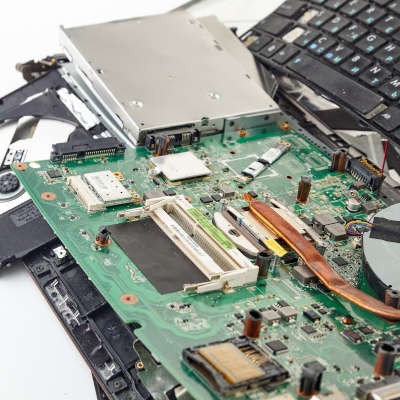
As much as we hate to admit it, the first thing that many people still think of when they hear the term “tech support” is the experience that comes with an antiquated approach to technology services: the break/fix method. Fortunately for us, we are seeing many businesses make the better decision, and turn to the clearly superior option, managed IT.

Managed services - what are they? The short answer, other people managing the IT systems that you rely on every day to be productive and accomplish your tasks. In essence, they are a freedom from dealing with the troublesome and time-consuming parts of leveraging technology. You may have heard this much about managed services before, but have never been given a deeper understanding of what they entail. That is precisely what we aim to accomplish below.

Email is (and has been) a prime method of communication for businesses of all sizes. With email comes a whole slew of issues that are essentially synonymous with the technology; spam, information overload, phishing, and information privacy. Even Webster small businesses that only do business locally are at risk of these issues. Personal email accounts are equally at risk. Employing proper precautions and practices whenever communicating via email is very important to prevent the risk of security compromises, monetary loss, and even legality issues.

Sometimes when your workstation feels bogged down, a relatively cheap and simply hardware update can make a huge difference in performance. Adding more RAM (Random Access Memory, often just referred to as memory) can be a game changer for your bogged down PC.

Your identity has quite a lot of value, especially in the wrong hands. Security firm ZoneAlarm put together some numbers in 2011 concerning identity fraud, and it even shocked us. Let's talk about a few of these statistics and what it means.

When you mention the term 'disaster recovery,' most people think about the big ground-shattering events like earthquakes, fires, floods, tropical storms, etc. While these natural events are certainly disasters and devastating in their own right, smaller things can constitute as a disaster for your business, and they aren't seasonal.

Saving a little on your technology can go a long ways, but cutting too many corners can lead to additional problems and expensive downtime. Here are a few ways you can cut costs without creating long term issues.