
SouthBridge Consulting Blog
SouthBridge Consulting has been serving the Texas area since 2015, providing IT Support such as technical helpdesk support, computer support, and consulting to small and medium-sized businesses.


We spend a lot of time on this blog talking about virus avoidance, but today we thought we would go into things you can do to keep another type of virus--specifically COVID-19--away from you and your technology.
0 Comments
The COVID-19 pandemic has greatly disrupted daily life, restricting people to their homes and preventing them from going into the office to work. In response, many companies are hurriedly changing over to a remote-capable workforce and having their employees work from home. This strategy can be highly effective, but if a company and its team isn’t careful, it can also be risky.

There are many reasons that your team may want (or need) to work from home, and there are many reasons to allow them to do so. A 2019 survey by OwlLabs indicated that 71 percent of remote workers are happy with their job (as compared to 55 percent of on-site workers); remote workers responded that they are 13 percent more likely than onsite workers to stay in their current job for five more years than onsite workers will; and when respondents claimed to be working longer than 40 hours per week, onsite workers were doing so out of necessity, while remote workers did so out of desire and enjoyment.

It’s not uncommon where a situation arises and you will find yourself working from home. To make this work, it is important that you keep a few additional issues in mind so that you can make the most of it. We have put together a few simple best practices that you should keep in mind as you operate remotely.
If you’re in business today, there are three words that are critical for you keep in mind: Cybersecurity. Is. Important. As such, every business needs to have taken the time to put together a cybersecurity policy--a set of guidelines that instruct the business how to proceed with the highest level of security possible. We’ve taken the liberty of suggesting a few guidelines for your business to follow as you do so.

Most businesses that really lean on their IT go to great lengths and expense to keep those systems secure. Sometimes, however, all those firewalls and antivirus software don’t stop threats that come in from your staff. Today, we are going to go through the three different types of human error that your staff can undertake, and how to deal with each.
The modern business has to deal with a lot of potential security problems. Today’s threat landscape is filled with people looking to prosper off of your misfortune. As a result, doing what you can to maintain the security of your network and data is essential. Today, we will discuss how maintaining your organizational cybersecurity doesn’t have to be costly or time consuming.The best way we’ve found to go about doing this is by highlighting a few key actions that you can take to keep your network secure and your data safe.

Windows 7 might not be supported by Microsoft any longer, but millions of people are still using PCs that run the antiquated operating system. Since Microsoft has put an end to extended support for Windows 7 OS, a couple bugs have been found. Let’s take a look at what exactly is behind these issues and discuss your options.

Nowadays a lot of accounts give you the option to set up two-step authorization; and, most of the time you probably should. The security and privacy benefits that your business can gain are substantial. Today, we’ll describe how to enable what Microsoft calls two-step verification.
Wi-Fi has swiftly become one of those amenities that we just expect to have, including in the workplace. While it does make work around the office more convenient, it should not be at the cost of your security. To help prevent this, we’re reviewing a few key Wi-Fi security considerations to keep in mind.

These days most consumers lean heavily on their payment cards. Whether they use credit cards, debit cards, or gift cards, consumers today are much more apt to use their card then they are to use cash. Why is this? Convenience mostly, but also there is a belief that using a payment card is more secure than walking around with a wad of cash in your pocket. Today, we will get to the bottom of the matter.

The modern cyberattack is more of a slight of hand than it is a direct attack. With encryption protecting a lot of business data, hackers need to find ways to circumvent that technology. They often do this though phishing. This week, we will take a look at some of the warning signs of phishing to help give you a little better awareness.

Cybersecurity has become an overly complicated, increasingly important part of our lives. These days, many people are concerned about their privacy; who is collecting their data, what data is being collected, how to prevent information from being stolen, how to prevent breaches, etc. Then there are the traditional threats like malware, ransomware, and phishing that are not only becoming more common place but are capable of doing more damage.
Imagine a world where there wasn’t a singular dishonest being. Passwords would simply vanish from our everyday lives, as we would not be paranoid of a breach or other forms of cybercriminal activity. The harsh reality is this will never become reality. Even worse, the cybercriminals don’t just skim for lack of passwords. Instead, the dishonest criminal goes even further; they take advantage of common or recurring passwords. So how do you know if your password practices are leaving you vulnerable? Google is here to help.

Cybersecurity is a big point of emphasis for the modern IT administrator. For the private business, it’s important for enough to be done in order to secure the business’ assets, and the integrity of the network itself. Unfortunately, when looking at public computing resources, there isn’t enough talent available to properly secure the systems that government entities rely on.

You may not think much about managing mobile data, but if your business routinely transmits sensitive data over the Internet, you should. Today, businesses of all types are using the Internet as a tool to drive their sales and marketing processes, but they don’t often consider the threats that come in when they use it for productivity. Today, we will go over what a Mobile Information Management solution is, and how to leverage it for your business.

Controlling your organization’s data relies on keeping your network and computing infrastructure free from threats. Early detection allows your business to actively confront risks before they develop into major issues. However, threats are becoming more difficult to detect in early stages, and one hidden threat could doom your entire business.

Gmail and the applications associated with it seem to have some level of inherent trust among users. We just don’t anticipate threats to come in via something from Google. However, it does happen, as a recent spat of phishing has shown using Gmail and Google Calendar. What’s worse, this particular scam has been around for some time.
Any business in operation today needs to keep modern realities concerning cybersecurity at top-of-mind if they are going to successfully maintain the business going forward. One major issue to be cognizant of is the increasing prevalence of phishing attacks.
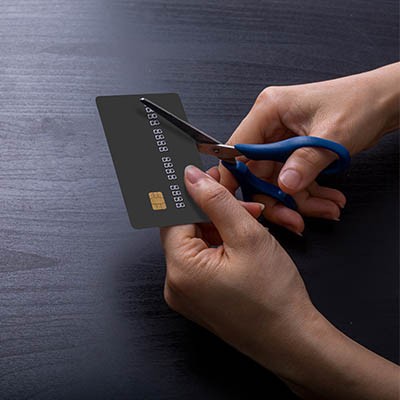
With more than $16 billion being scammed from more than 16 million people, there is clearly an issue at hand that could use some expert insight. Those who are familiar with Steven Spielberg’s Catch Me If You Can might know that the movie was based on the memoirs of Frank Abagnale, former con man and longtime security consultant of the FBI. With his 45 years of experience with the bureau, Abagnale can safely by considered an expert in cybersecurity and fraud protection.