
SouthBridge Consulting Blog
SouthBridge Consulting has been serving the Texas area since 2015, providing IT Support such as technical helpdesk support, computer support, and consulting to small and medium-sized businesses.


For business managers, it can sometimes be difficult to create policies and procedures that allow for the efficiency that they’d like to see from their business. Business growth leads to more complex situations which in turn demand more complex procedures. This enhanced complexity can not only get constant in that you need to alter the way things are done, you also could fall into the trap of mistakenly putting productivity roadblocks up that can alter the way your business operates.
0 Comments

Password changes, multi-factor authentication, and countless changes in policy and procedure can make daily workflows more and more complicated. Cybersecurity can truly be a pain—a necessary pain, granted—but a pain nevertheless, and one that can gradually lead to burnout if you aren’t careful. Let’s go over how to mitigate the likelihood of it.
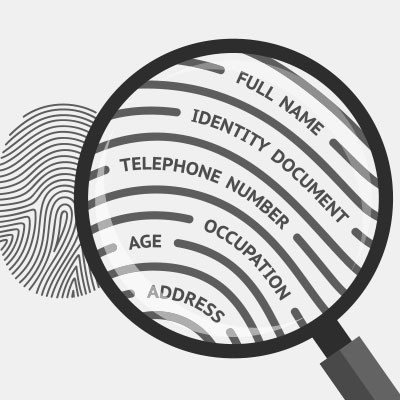
The Federal Trade Commission, or FTC, has put together a Safeguard Rule to help establish guidelines for how businesses store and interact with customer information. Enacted in 2003, this rule was recently revamped in 2021 to stay relevant with the latest technology used by businesses. Let’s look at some of the policies and procedures that your business needs to know about the FTC Safeguard Rule.
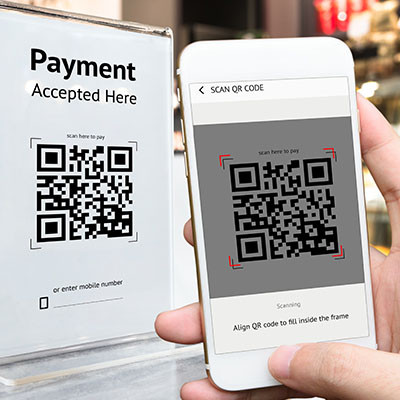
There is no denying that Quick Response codes—better known as QR codes—are a handy little invention. Just a few years ago, many businesses heavily adopted these contactless communication tools, allowing customers with a smartphone to access menus, documents, and more with ease. Having said that, we unfortunately can’t deny that cybercriminals are taking advantage of how handy QR codes are, too.

One of the biggest arguments for remote work is that it poses environmental benefits, but how much truth is there to this statement? Today, we want to dive into the details and see if there is actually a solid benefit to working remotely—for the environment, at least. The answer might surprise you.