
SouthBridge Consulting Blog
SouthBridge Consulting has been serving the Texas area since 2015, providing IT Support such as technical helpdesk support, computer support, and consulting to small and medium-sized businesses.


IT administrators are pretty particular about what software is used on the networks that they manage. This is not because we have any vested interest in the software itself, it’s because of the inherent reliability of the software they manage. They’ve tested it, they manage it, they know it. When an organization starts dealing with employee-downloaded software--especially if there is no procedure in place to report additions to IT--they can quickly lose control over the network.
0 Comments

Wi-Fi has swiftly become one of those amenities that we just expect to have, including in the workplace. While it does make work around the office more convenient, it should not be at the cost of your security. To help prevent this, we’re reviewing a few key Wi-Fi security considerations to keep in mind.

Improvements in technology have allowed us to come a long way since the days of our ancestors, which is made exceptionally clear by our developments in the realm of healthcare. There are so many ways that healthcare providers can use information technology to their advantage, so we’ll cover a select few here.
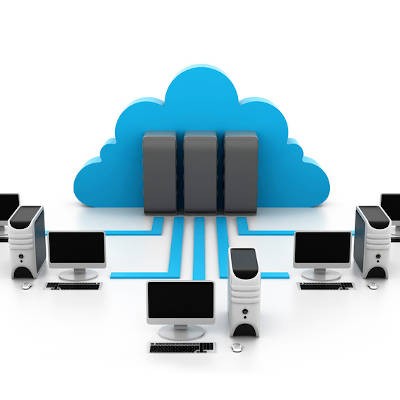
We hear a lot about the benefits of moving your business to the cloud. It can reduce that big expense on new infrastructure and the ongoing management costs. The cloud can increase the effectiveness of your IT budget. It can add functionality and increase user satisfaction.
Businesses are rapidly moving all or portions of their IT to the cloud, and for a lot of good reasons, but before you do, it is important to remember the following:

With email being such a huge part of doing business, phishing has become a favorite tool of many scammers. To fight back, it is key that you know how to recognize a phishing email, so we’re dedicating this week’s tip to doing just that.