
SouthBridge Consulting Blog
SouthBridge Consulting has been serving the Texas area since 2015, providing IT Support such as technical helpdesk support, computer support, and consulting to small and medium-sized businesses.



With email being such a huge part of doing business, phishing has become a favorite tool of many scammers. To fight back, it is key that you know how to recognize a phishing email, so we’re dedicating this week’s tip to doing just that.
0 Comments
The threat landscape is filled with more types of malware than ever. To keep your business’ network running effectively, it’s important to have a strategy to keep malware out. Today, we’ll talk about a few basics you should know to keep your cybersecurity strategy working properly.

These days most consumers lean heavily on their payment cards. Whether they use credit cards, debit cards, or gift cards, consumers today are much more apt to use their card then they are to use cash. Why is this? Convenience mostly, but also there is a belief that using a payment card is more secure than walking around with a wad of cash in your pocket. Today, we will get to the bottom of the matter.
We all know how important it is to protect your desktop and laptop computers from malicious threats. Installing antivirus and security software is one of the first steps you take when you get a new computer, and for good reason. An unprotected device is at great risk. With that said, a lot of users don’t think about the threats that target their most-used devices, their smartphones.

If you use Facebook, you’re not alone. There are over two billion active users on the platform. Whether you are willing to accept it or not, Facebook is a huge part of a good chunk of the world’s lives. If being a well-connected, with the times, user has always described who you are, then we could have some helpful information oriented towards you in our blog today. We will be discussing your online identity, and who you have told Facebook you are.

Cybersecurity has become an overly complicated, increasingly important part of our lives. These days, many people are concerned about their privacy; who is collecting their data, what data is being collected, how to prevent information from being stolen, how to prevent breaches, etc. Then there are the traditional threats like malware, ransomware, and phishing that are not only becoming more common place but are capable of doing more damage.
Imagine a world where there wasn’t a singular dishonest being. Passwords would simply vanish from our everyday lives, as we would not be paranoid of a breach or other forms of cybercriminal activity. The harsh reality is this will never become reality. Even worse, the cybercriminals don’t just skim for lack of passwords. Instead, the dishonest criminal goes even further; they take advantage of common or recurring passwords. So how do you know if your password practices are leaving you vulnerable? Google is here to help.

Cybersecurity is a big point of emphasis for the modern IT administrator. For the private business, it’s important for enough to be done in order to secure the business’ assets, and the integrity of the network itself. Unfortunately, when looking at public computing resources, there isn’t enough talent available to properly secure the systems that government entities rely on.

You may not think much about managing mobile data, but if your business routinely transmits sensitive data over the Internet, you should. Today, businesses of all types are using the Internet as a tool to drive their sales and marketing processes, but they don’t often consider the threats that come in when they use it for productivity. Today, we will go over what a Mobile Information Management solution is, and how to leverage it for your business.

Controlling your organization’s data relies on keeping your network and computing infrastructure free from threats. Early detection allows your business to actively confront risks before they develop into major issues. However, threats are becoming more difficult to detect in early stages, and one hidden threat could doom your entire business.

Gmail and the applications associated with it seem to have some level of inherent trust among users. We just don’t anticipate threats to come in via something from Google. However, it does happen, as a recent spat of phishing has shown using Gmail and Google Calendar. What’s worse, this particular scam has been around for some time.
Any business in operation today needs to keep modern realities concerning cybersecurity at top-of-mind if they are going to successfully maintain the business going forward. One major issue to be cognizant of is the increasing prevalence of phishing attacks.
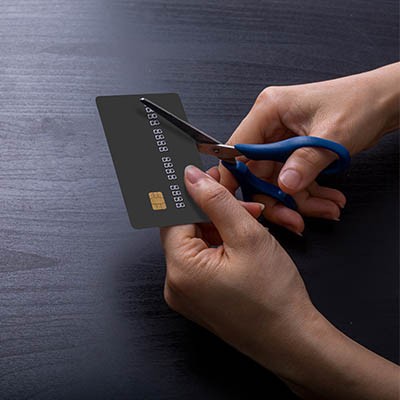
With more than $16 billion being scammed from more than 16 million people, there is clearly an issue at hand that could use some expert insight. Those who are familiar with Steven Spielberg’s Catch Me If You Can might know that the movie was based on the memoirs of Frank Abagnale, former con man and longtime security consultant of the FBI. With his 45 years of experience with the bureau, Abagnale can safely by considered an expert in cybersecurity and fraud protection.
Maintaining network security is always a priority for the security-minded company, but if your organization’s strategy is to fly under the radar, you need a new plan. No business is too small to be a victim of a network breach. What most people who are tasked with coming up with a network security strategy for a small business don’t always realize is that threats are everywhere. Today, we’re going to take a look at planning a secure and reliable Wi-Fi strategy that doesn’t inherently add to your business’ risk.
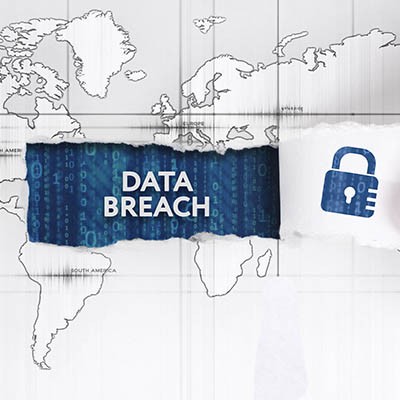
Picture this… In your office you have a bag filled with thousands of envelopes. In each envelope there is $242 in cash. Unbeknownst to you, a thief has gained access to your office, but you don’t realize this until 279 days later. How much is this going to cost your business?
Just like you can form habits to be more productive, you can also form habits that expose your organization to risky situations, namely security problems. Your employees in particular are likely to have picked up a couple of nasty habits over time, so it’s up to you to address them and keep them from becoming an issue in the long term.
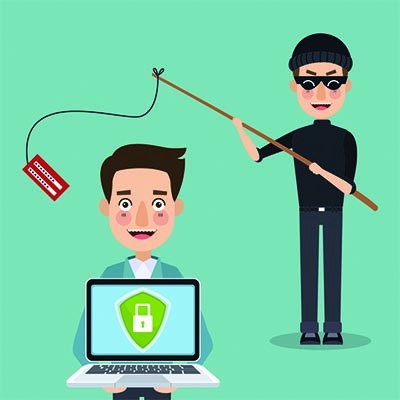
It can be a real head-scratcher when one of your otherwise well-performing employees routinely falls for the simulated phishing attacks that you roll out as a part of your cybersecurity awareness strategy. For all intents and purposes, the person is a great employee, but when it comes to acting with caution, they fail. If you’ve made a point to prioritize your staff’s working knowledge of phishing attacks, do you replace this employee? We’ll take a look at it today.

65 of any currency doesn’t seem like a lot of money, but when you are dealing in the cryptocurrency Bitcoin, it adds up quick. One city on Florida’s Atlantic coast is finding that out the hard way after getting hit with a ransomware that stymied the city of 35,000 government’s ability to function. Let’s take a look at the situation that made the city’s leaders agree to pay hundreds of thousands of dollars to scammers.
Avoiding risk is important for every business, unless your business is as a daredevil, then mitigating risk will have to do. Nowadays, with technology being an omnipresent element in most businesses, technology-based risks have grown in concert. As a result, the modern business owner and IT administrators need to understand the new risks and how to proactively work toward avoiding (or mitigating) them.

Cybercrime has morphed over the past decade or so. With unbreakable encryption making breaking directly into a network all but impossible, phishing, Distributed Denial of Service (DDoS) attacks, and other methods of indirect hacking have become en vogue. As a result, software companies are looking in some strange places to find building blocks for intrusion mitigation. One interesting emerging technology being used for this purpose is blockchain.