
SouthBridge Consulting Blog
SouthBridge Consulting has been serving the Texas area since 2015, providing IT Support such as technical helpdesk support, computer support, and consulting to small and medium-sized businesses.


Most organizations are trying to figure out how to secure their IT against the constant flood of threats out there. Unfortunately, the biggest threat out there isn’t something that you can actively protect against. Can you guess what it is?
Unfortunately, it’s your employees, and their potentially lax password practices—and while you can’t really protect yourself against insecure passwords, you can minimize the likelihood that they’ll be used.
0 Comments

Small businesses have a lot to worry about in terms of technology, but one of the things that often gets overlooked is network security. Some small businesses feel that they are too small to be considered a viable target for hackers, but they are wrong; all businesses have data valuable for hackers in some form.
When security breaches and data breaches are mentioned in the same breath so often, it’s easy to look at them as one and the same. However, we want to take a moment to explain the differentiating factors between the two, as it could be all the most important for protecting your business in the future.
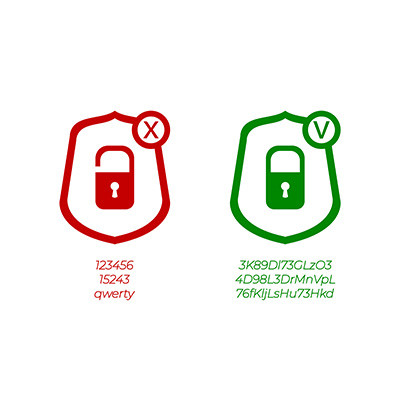
Simple passwords are just not an effective security practice, so if you’re still using credentials like Password, 123456, Guest, or Qwerty, listen up. You need better password hygiene practices before you suffer from a data breach. Here are some ways you can make a better password to protect your business from threats.
While security researchers do their best to find security vulnerabilities in software and systems before they are actively exploited by attackers, they can’t be successful all the time. There are too many threats and too many variables to consider, and zero-day exploits are often discovered well after they are actively being exploited by threats. How can you keep zero-day exploits from impacting your business?

There is a scam going around that convinces organizations to pay for their Google Business Profile, and if you paid for this free service, you’ve fallen for the trick. Google is taking legal action against the scammers who have dragged their name through the mud, using Google’s notoriety to defraud businesses who just want to look competitive.

It’s the holiday season, and you know what that means: lots of gift-giving and online shopping. Regardless of what you and your family celebrate this holiday season, you should be prepared to handle the influx of phishing attacks which always surface around this time every year, including both the usual methods and the more sophisticated ones.

For millions of people, the rubber ducky is a benign reminder of childhood. Depending on when you were a child, the rendition of Sesame Street’s Ernie singing “Rubber Duckie, you’re the one,” is ingrained in your mind every time you hear the term. Unfortunately, the Rubber Ducky we are going to tell you about today has only fond recollection for people who are looking to breach networks they aren’t authorized to access or deliver malware payloads that are designed to cause havoc.
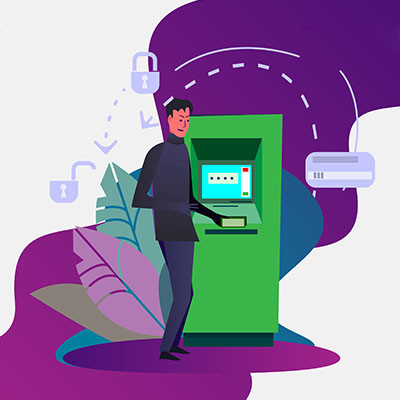
It probably isn’t a question you’ve put much thought to, but tell me: who do you think feels the greatest impact from card skimming schemes, where a payment card’s data is captured so a cybercriminal can make use of the card’s associated account? While it isn’t a good situation for anyone, some are impacted more than others.

It’s incredibly important to keep your personally identifiable information secure, but what exactly constitutes PII? Today we offer a definition and suggestions or strategies to help you keep your PII safe.

WhatsApp is one of the world’s most popular messaging applications. With over 2 billion users, WhatsApp is known for its relative security, as it is one of the few messaging applications that offers end-to-end encryption. A modified version of WhatsApp, called YoWhatsApp, has been reportedly deploying malware.

The following story and events are true, however, to protect the families of the innocent, all names have been changed. Any resemblance to actual persons, living or dead, or businesses, is purely coincidental. Enjoy and happy Halloween!
Ransomware is one of the more dangerous threats out there today, and since it is so prominent and dangerous, it is a popular choice amongst hackers. To combat this threat, a community has formed around the cause, encouraging users to not pay the ransom by providing free malware removal tools for the most popular ransomware threats.

If you watch technology news, you might notice that there is one day out of every month that gets a lot of attention from the technology sector, and that day is what is called Patch Tuesday. This is the day each month when Microsoft issues all of their patches and security updates, and it’s important to know when this day falls each month—at least, for your IT team it is.

At the beginning of September, it was revealed that a relatively simple issue existed in nearly 2,000 mobile applications that potentially exposed some (read: a lot of) sensitive data. Let’s take a brief, basic look at the situation to see if there are any lessons that can apply to your business.
We’re not shy about sharing how important it is for a business to have comprehensive cybersecurity throughout its entire infrastructure. That’s why we wanted to share what some recent data has shown about the importance of having visibility into your infrastructure.
Spoiler alert: it’s really, really important.

At first glance, cybersecurity might seem incredibly complicated and difficult to understand, but even a baseline understanding of some of the principles of cybersecurity can go a long way toward protecting your business. Let’s discuss some of the common-sense ways you can keep your business secure, even if you don’t have an internal IT department to ask for help from.
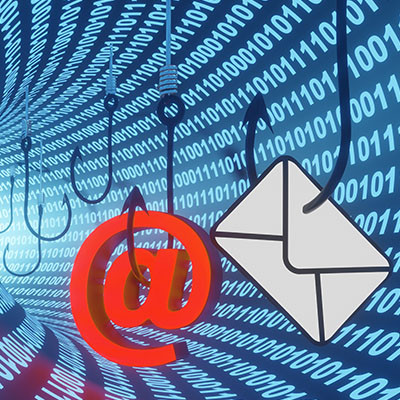
How often do you get emails from individuals claiming to be working with a business who wants to do business with yours or sell you a product, completely unsolicited and even perhaps a bit suspicious? These types of messages can often land small businesses in hot water, as it only takes one phishing email landing in the wrong inbox at the wrong time to put your business in jeopardy.

This past year saw a dangerous 86% increase in the most dangerous types of malware out there, so we want to ask you an important question: are you ready to protect your business from the different types of threats you might encounter? We know a technology solution that might help this mission along, and we want to share it with you today: artificial intelligence.

It’s easy to use the terms “patches” and “updates” as if they mean the same thing, and they are often used interchangeably within the same context. However, understanding the difference between the two can make a world of difference in terms of how you approach implementing each of them. We’re here to clear things up a bit and help you better understand the patches and updates you deploy on a month-to-month basis.