
SouthBridge Consulting Blog
SouthBridge Consulting has been serving the Texas area since 2015, providing IT Support such as technical helpdesk support, computer support, and consulting to small and medium-sized businesses.


When I was a kid, there was a Tex Avery cartoon where Droopy Dog was chasing down a crook who escaped from jail. There was a particular scene where the crook (I think it was a wolf in a black-and-white striped jumpsuit) takes a bus, a plane, a ship, and a taxi to a secluded cabin, and then closes a series of increasingly complex doors with a large number of locks, in order to hide away from the pursuing cartoon basset hound.
Of course, when he turns around, exhausted by all the effort he puts in, he realizes that Droopy is standing right behind him, and greets him with a monotone “hello.”
I haven’t seen this cartoon since I was 7 years old, but I almost always think about it when I am using multi-factor authentication.
0 Comments

When it comes to valuable data, hackers will go out of their way to try and steal it, placing businesses in dangerous situations. In particular, healthcare data is attractive to hackers, and considering how lucrative the prospect of healthcare data is, companies need to take extra precautions to protect it. But what is it about healthcare data that makes it so attractive, anyway? Let’s dig into the consequences of potential attacks on healthcare data.
The threats for businesses to get hacked or deal with data breaches of some type are more pressing now than at any other time in the digital age. It’s as if there are thousands of cat burglars on the prowl looking for a way into your business. If one of them is successful, it can bring some severe consequences for your business including financial loss, reputational damage, and even legal issues. In this week’s blog we will go through some of the actions you need to take in the case of a network breach.
Ransomware is one of the more dangerous threats out there for businesses of all industries and sizes. To help emphasize just how dangerous it is, however, you have to look past the initial threat of having to pay a ransom and look at the other risks associated with it. We’re here to try to get the point across that ransomware is something your business should absolutely be taking seriously.
Ransomware is such a common occurrence these days that it has entered the public discourse, but we also want to note that it’s such an important topic to discuss with your team that you can never talk about it enough. We want to address some of the most common questions we get asked about ransomware and what can be done about it.

The Health Insurance Portability and Accountability Act is a regulation passed by the US congress in 1996 to help streamline the healthcare system while maintaining individual ePI privacy over individuals’ health records. This regulation was put in place to allow people to transfer their health coverage, but also to minimize the risk individuals take on as far as fraud and abuse of their health records is concerned. This week we’d thought we’d discuss four ways your technology can help your organization keep its HIPAA compliance.

Password changes, multi-factor authentication, and countless changes in policy and procedure can make daily workflows more and more complicated. Cybersecurity can truly be a pain—a necessary pain, granted—but a pain nevertheless, and one that can gradually lead to burnout if you aren’t careful. Let’s go over how to mitigate the likelihood of it.
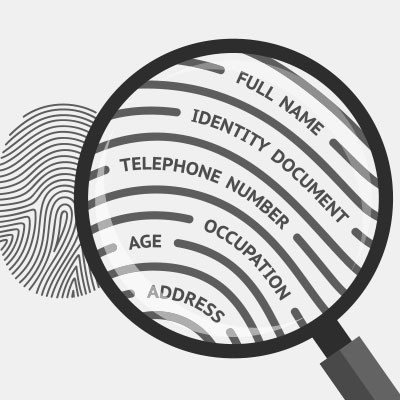
The Federal Trade Commission, or FTC, has put together a Safeguard Rule to help establish guidelines for how businesses store and interact with customer information. Enacted in 2003, this rule was recently revamped in 2021 to stay relevant with the latest technology used by businesses. Let’s look at some of the policies and procedures that your business needs to know about the FTC Safeguard Rule.
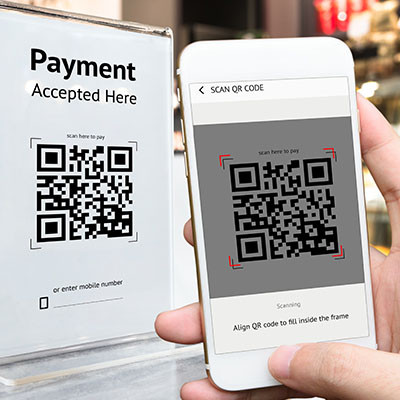
There is no denying that Quick Response codes—better known as QR codes—are a handy little invention. Just a few years ago, many businesses heavily adopted these contactless communication tools, allowing customers with a smartphone to access menus, documents, and more with ease. Having said that, we unfortunately can’t deny that cybercriminals are taking advantage of how handy QR codes are, too.
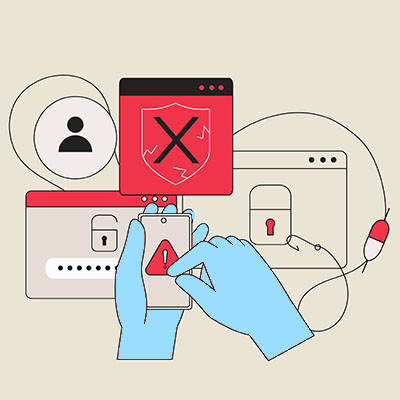
Your business’ computing infrastructure is a pretty resilient system. It has all types of tools added on to keep malicious code, bad actors, and even sabotage from ruining the good thing you have. This reliability has led to hackers changing the way that they go about their business. Nowadays, most of the attacks that affect businesses are phishing attacks. In today’s blog we will go through the elements of a phishing attack and how you can protect your business from them.

There are quite a few platitudes that we support, in terms of business IT. Some that we haven’t really touched on, however, are Schofield's Laws of Computing. Let’s fix that today by reviewing where they came from, and what these laws entail.
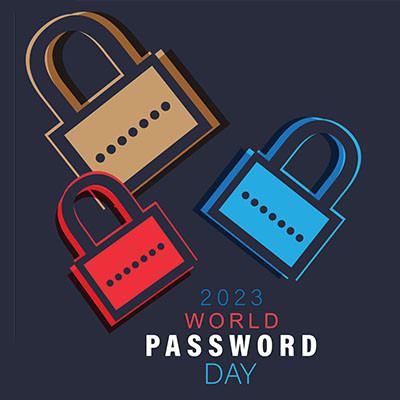
Did you know that tomorrow is World Password Day, 2023? As the result of a campaign to spread awareness of the importance of sufficiently secure passwords, it has become an annual reminder of how critical sufficient passwords are to proper cybersecurity…despite passwords not being sufficient protection on their own. In light of tomorrow’s observance, let’s take some time to review why passwords are important to get right, and what else you need to have in place.

The Internet of Things is everywhere and that means that it’s important to understand how much of a potential security risk these devices can be. From smart speakers to smartphones, it's important that you understand how these devices can create problematic situations. In this week’s blog we will discuss how you can protect yourself against IoT vulnerabilities at home.
There is a lot made about ransomware, for good reason. It is quite simply one of the nastiest cyberattacks out there and it demands your attention. A lot of people understand what exactly ransomware sets out to do, but they don’t understand how it got that far and how to address the situation if they have the misfortune of being put in that position.
Smartphone applications are in high demand from both a consumer and a business perspective, so it stands to reason that these ecosystems are large in scope, encompassing millions of apps on both the Google Play and Apple App stores. Have you ever wondered how these companies ensure that the apps found on their stores are secure and legitimate?
Multi-factor authentication is great when it works, but when it doesn’t, it can leave you in a pretty difficult situation. After all, what happens when all of a sudden, you cannot access your secondary authentication methods? We’re here to help you bypass this particularly challenging and frustrating scenario.
Phishing is a common issue that businesses of all kinds can experience, whether they are a small startup or a large corporation. Hackers are always trying to extol information from your employees, including account credentials, remote access to your systems, and in some cases, funds directly from a bank account. It’s up to you to teach them how to identify and respond to phishing attacks.
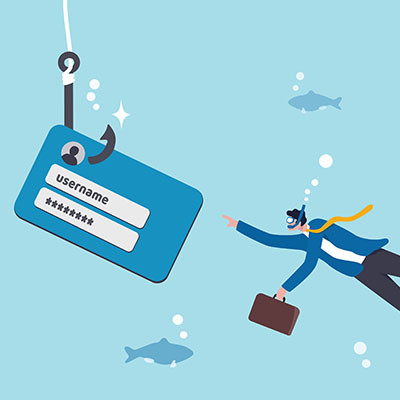
Phishing is a remarkably dangerous tactic used by hackers to take advantage of those who might not be quite as in-the-know about security practices. Phishing attacks can be carried out against both businesses and individuals alike, and due to the many different forms these attacks can take—including email, text message, and even fraudulent websites—they can be quite problematic.
This past January, the Federal Bureau of Investigation issued an announcement that they had targeted and taken down the servers for a Dark Web organization responsible for the Hive ransomware group. While there is certainly cause for celebration here, one major statistic is enough reason to continue being concerned.

Remote work has seen unprecedented adoption in the past few years. While we’re all for the benefits that this trend brings, it is critical that any business that embraces remote or hybrid work does so securely.
Let’s discuss a few measures that your business can and should implement to achieve this security.